

(This article originally appeared in the February 2024 issue of the South Baltimore Peninsula Post newspaper.)
By day, it’s a nondescript pair of rowhouses sandwiched between two big bars on E. Cross Street in the Federal Hill business district, its doors usually closed and locked. No signs of life. But at night, The 8×10 comes alive with a kaleidoscope of live music, the energy pulsing past its purple façade onto the street.
One night, it might be a Baltimore-based funk-rock band just getting on its feet. The next night, a rising progressive jam band on a national tour or a group of local musicians paying tribute to Frank Zappa or the Grateful Dead. And the following week could see a neo-acoustic bluegrass quartet from Colorado.
In its 40 years, the small music venue has played host to rock and roll legends and bands on their way to the big time, and it has served as an incubator for a lot of local talent. The 8×10 has become a much-loved Baltimore institution for generations of live music fans, surviving a major “gut job” renovation, constantly shifting popular musical tastes, multiple changes in ownership, and the Covid shutdown.
Current owners Abigail Janssens and Brian Shupe were fans of the venue in the 1980s in its original incarnation as the Eight By Ten Club. “Brian and I both grew up going to the club,” Janssens recalled. The couple has run The 8×10 for nearly two decades. Despite the ups and downs of the business, it’s still the music that makes it all worthwhile, she said.

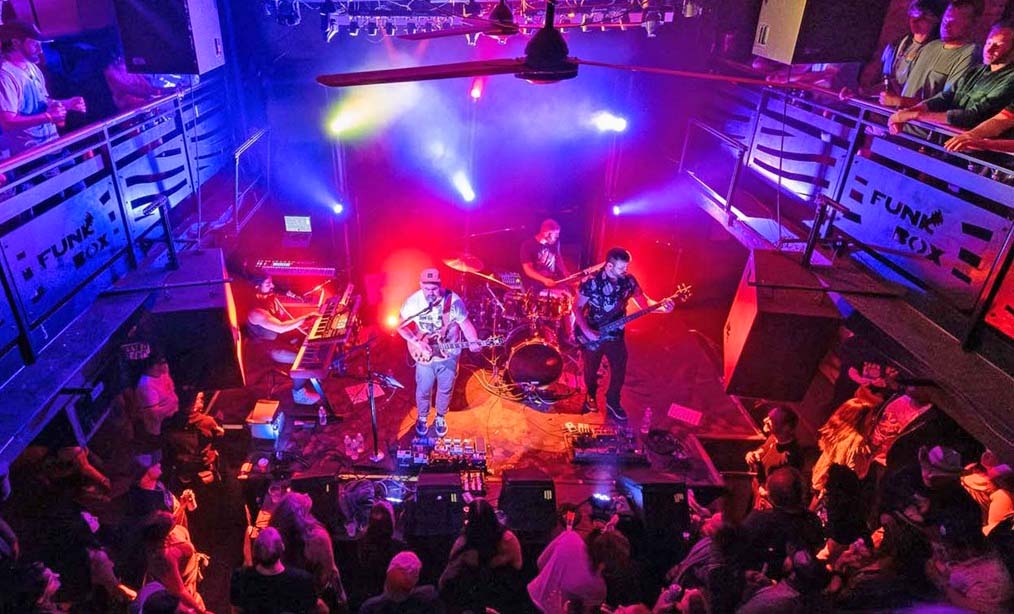
“I just love being around the music. My favorite part of all this is standing on the second floor during a show and looking over and watching people getting down to the music on stage. I love watching people smile and dance and really loving what they’re seeing.”
The music first arrived at The 8×10 in April 1983 when Dick Gamerman opened the venue in two cojoined rowhouses at 8-10 E. Cross Street (hence the name) on the corner of Patapsco Street. The bar and stage were squeezed into one of the rowhouses, with a staircase in the other leading to a second-floor overlook of the stage. The dive-bar décor “consisted of five white lamps hanging over the bar, exposed brick, and gray walls,” the Baltimore Sun reported.
The venue, with a capacity of about 250 at the time, became Baltimore’s showcase for national and regional blues, rhythm and blues, zydeco, and Tex-Mex acts. It also attracted up-and-coming national rock acts, including Suzanne Vega, 10,000 Maniacs, and Los Lobos. Other bands like Phish, Green Day, Widespread Panic, and the Red Hot Chili Peppers would play there before they hit the big time.
“At its best,” wrote Sun music critic J.D. Considine in 1988, “the 8×10 anticipated rock’s shift from youth-oriented music to the sound of adult America with surprising accuracy. Although the club’s bread-and-butter was basic bar-band blues and rock, the 8×10 under Gamerman also managed to deliver a surprising array of popstars-to-be.”
Financial troubles lead to the sale of The 8×10 at auction in June 1988. Washington, D.C., music promoter Giles Cook bought it and reopened it that fall. Cook kept a similar mix of local and national acts playing at the venue through the 1990s, but he decided to put it up for sale in 2002 due in part to the anticipated cost of renovations needed in the heavily trafficked venue.
Dave Rather, long-time fan of The 8×10 and owner of Mother’s Federal Hill Grille around the corner, bought the business and the property in June 2002 with his wife Kelly. Renovations that were anticipated to take just a few months ultimately took a full year as the poor condition of the rowhouses became clear.
“The place needed some love,” Dave Rather recalled. “It was pretty old and broken up. When we started the renovation, a wall started to fall down and we had to go from a renovation to a rebuild. We dug out the basement to make that larger. Very little could be salvaged from the original buildings.”
The result was pretty much The 8×10 we see today: larger stage, a full second-floor balcony, state-of-the-art sound system, larger bathrooms, and an unusual spring-loaded dance floor inspired by Rather’s love of The Grateful Dead.
“The Dead used to play this venue in Portland, Oregon, called the Crystal Ballroom. It was built as a formal dance room and they had a spring-loaded dance floor to help the dancers,” he explained. “I thought that would be really cool to incorporate some of that history of the Grateful Dead here. So I called the ballroom’s owners and they sent us the blueprints for the floor. My contractors were able to build it using the original Crystal Ballroom design.”
The new club opened with a new name – The Funk Box – in September 2003. (Rather borrowed the name from a four-CD compilation of classic funk tunes released in 2000.) The opening week lineup started with rock and roll pioneer Chuck Berry, followed by Bo Diddley, the North Mississippi Allstars, Maceo Parker, and local favorite Jimmie’s Chicken Shack.
For two years, The Funk Box featured national acts in a range of genres, from Jimmy Cliff to Michael Franti and Spearhead; up-and-coming local bands; and a steady diet of music from New Orleans, including The Funky Meters. In November 2005, Rather sold the business to Janssens and Shupe, who have run it ever since as The 8×10. (Rather continues as owner of the property. The short-lived Funk Box name can still be seen cut into the club’s metal balcony railings.)
“We were fans of the music and used to go to the old Eight By Ten Club and The Funk Box a lot,” said Janssens. “Brian was in the music business at the time, working for Warren Haynes [Allman Brothers Band, Gov’t Mule]. When we were approached about taking over The Funk Box, we said, what the hell, let’s give it a try.”
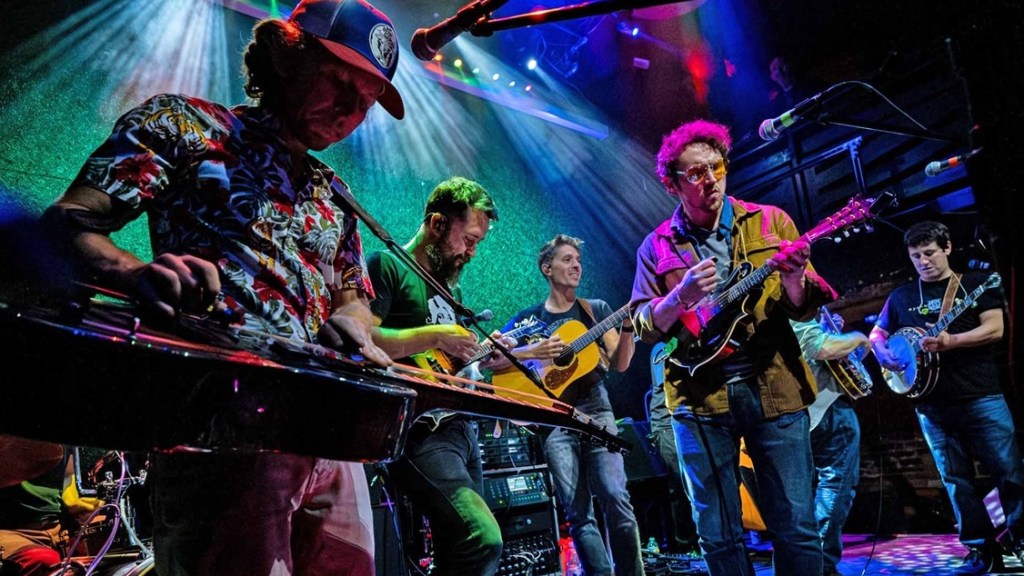
The couple flipped The Funk Box formula that relied heavily on national acts to what they saw as a more sustainable approach of booking mostly local bands with a few national and regional acts sprinkled in. They put on programs like “Wednesday residencies” and “Five Bands for Five Bucks Tuesdays” to showcase young local bands just starting out. Pigeons Playing Ping Pong, the psychedelic funk group formed by undergrads at the University of Maryland, was launched on its path to selling out venues across the country from these opportunities at The 8×10.
These days, three types of bands dominate The 8×10 schedule, according to Janssens. “We try to mix it up as much as possible, but honestly, we are a jam band venue. We do most of the jam shows in Baltimore until they get to a bigger level. We also do a lot of bluegrass and tribute bands. Ottobar does indie and metal. The Depot does the art-school band thing. Cat’s Eye does blues.”
Janssens is open to local musicians and promoters who want to try other types of music. In the 2010s, they had a lot of electronic dance music when that was popular. The “Hip-Hop at The 8×10” series put on over a dozen shows since 2019. And in January, Noah Pierre of the Baltimore-based funk-rock band Munk brought his jazz-tinged side project to the club.

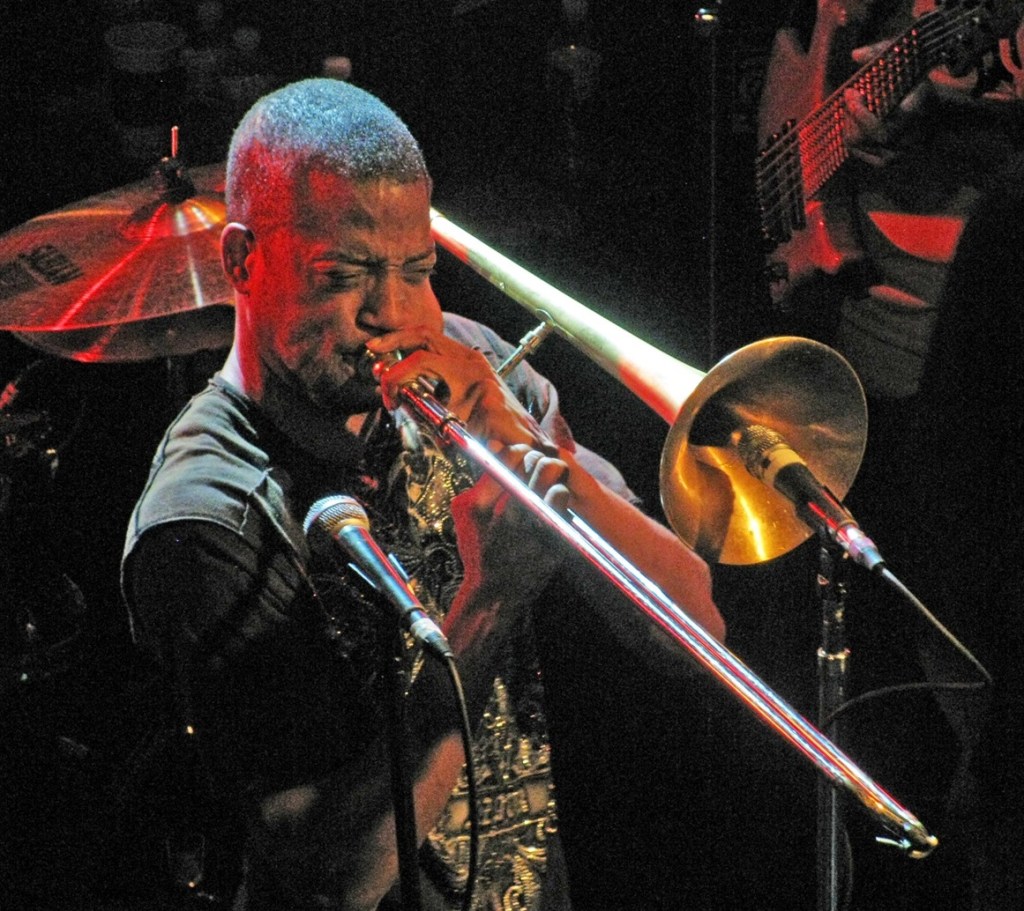
The venue has also become a popular stopping point for up-and-coming bands traveling through the mid-Atlantic region, Janssens said. “We’ve had people like blues guitarist Gary Clark, Jr., and Trombone Shorty from New Orleans play here when they were starting out. But when you see them, you know they’ll never play here again, they’re just so good. You definitely want to see the musicians grow and get the notoriety they deserve, but it’s very bittersweet for us.”
Another natural challenge for a live music venue whose audience skews to a younger demographic is that musical tastes change and people grow up. “The music scene is always changing, always evolving,” said Janssens. “We’re always finding new music, new bands, and new fans. This business goes through waves. I’ve seen people who were in college that used to come every night, and then they get married, have kids, and stop going out to hear music. I’ve seen that happen in at least five different waves over our tenure here.”
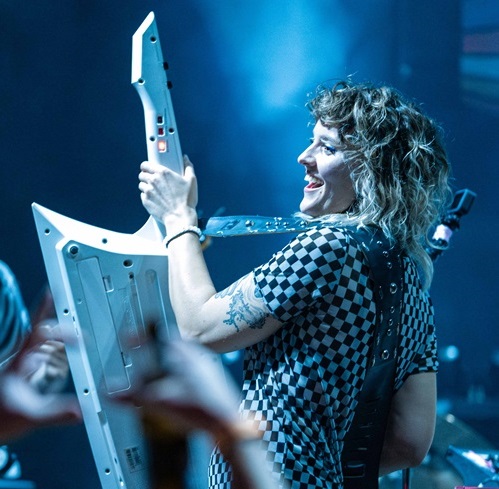
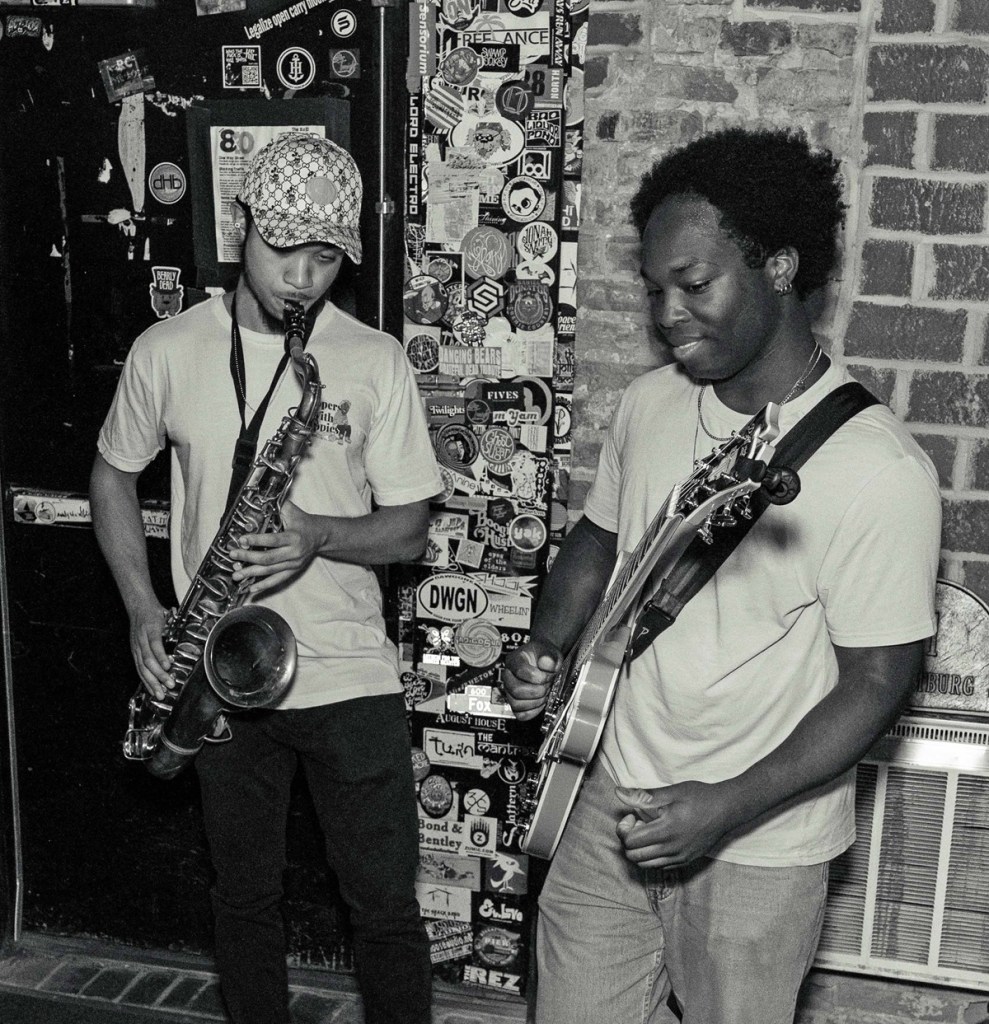
The 8×10 survived a long Covid shutdown (17 months), thanks to a GoFundMe campaign started by local fans and a state grant supporting arts groups during the pandemic, but one of the lingering impacts has been on the new wave of young music enthusiasts, Janssen observed. “During Covid, a lot of kids in their late teens and early twenties didn’t get the experience to go out and see live music and become music lovers. Instead, they were streaming everything. So we have a little lull of young kids now. We’ll try advertising at the colleges to see if we can get the young kids back in again.”
As Janssens and Shupe near the 20-year mark as owners of The 8×10 – their lease is up in November 2025 – they are focused on the future of the venue and keeping the music alive. “This is a hard business,” Janssens said. “We have really great moments, and we love what we do. We’re very rich without being rich. And we’re looking for the right owners that will keep the spirit going that we knew as we were growing up and that we know as owners here. We want to keep it music. We don’t want it to turn into just another bar on Cross Street.” – Steve Cole
Nights to Remember
“I saw Big Something there a few weeks ago with my friends, and the band crushed it. It’s the atmosphere of The 8×10 that always keeps us checking for new gigs coming through. Since it’s small, you really feel like you’re there jamming and hanging out with the band. Not all venues can manifest that kind of intimacy.” – Becky Wild
“Every night at The 8×10 is a gathering of friends and strangers who create a collective bond with the artists and their music. An example of this was in 2013 when oppressive heat caused blackouts in Federal Hill. Caleb Stine was doing a show. Midway through one of his songs, the lights and audio went out. Caleb didn’t hesitate: he unplugged and started to strum Woody Guthrie’s ‘This Land is Your Land,’ and we joined him. Every sweaty person in the room singing along, verse after verse. – Bill Romani
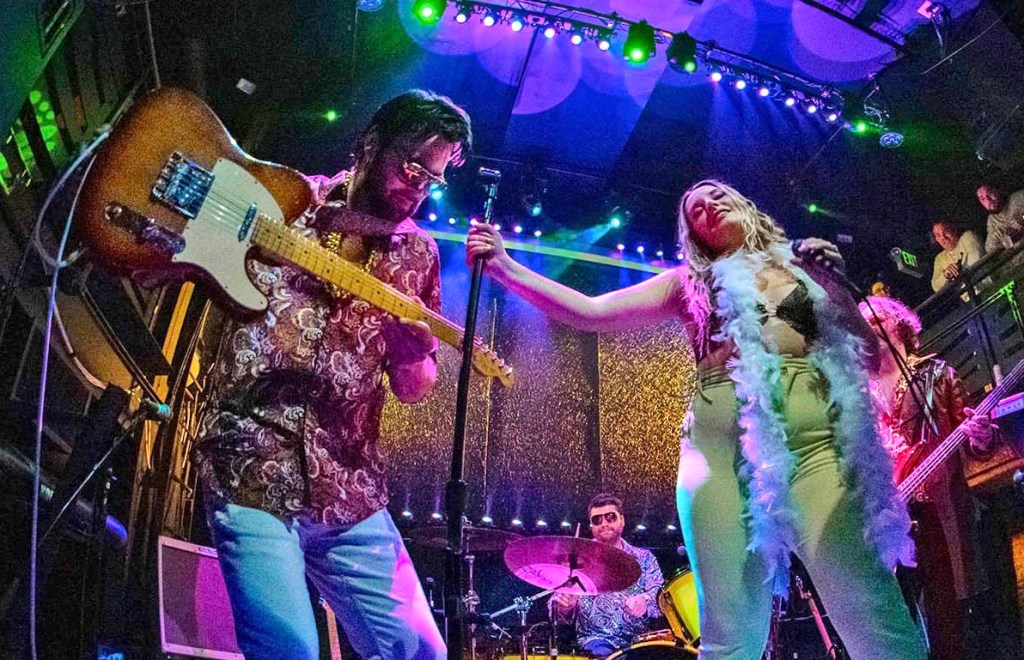
“The 8×10 is my favorite venue ever. My first show there was Mt. Joy around 2017. There were about 30 other people there that night. I just love how intimate it felt, how close you were to the artist. Now Mt. Joy is huge. They play Merriweather.” – Hailey Smith
“I have been to more than 500 shows there going back to 1998. It has a really good sound system, and I appreciate the wooden dance floor (easy on the knees). Cris Jacobs is the performer I’ve seen the most, either with one of his solo bands (44 shows) or with The Bridge (12). In second place is The All Mighty Senators (30).” – Roger Venezia
 South Baltimore Peninsula Post
who was the guy who frequently played the 8×10 whose thing was being a faux preacher? Played the piano?
LikeLike
Bosley?
LikeLike